21 квітня 2026 року
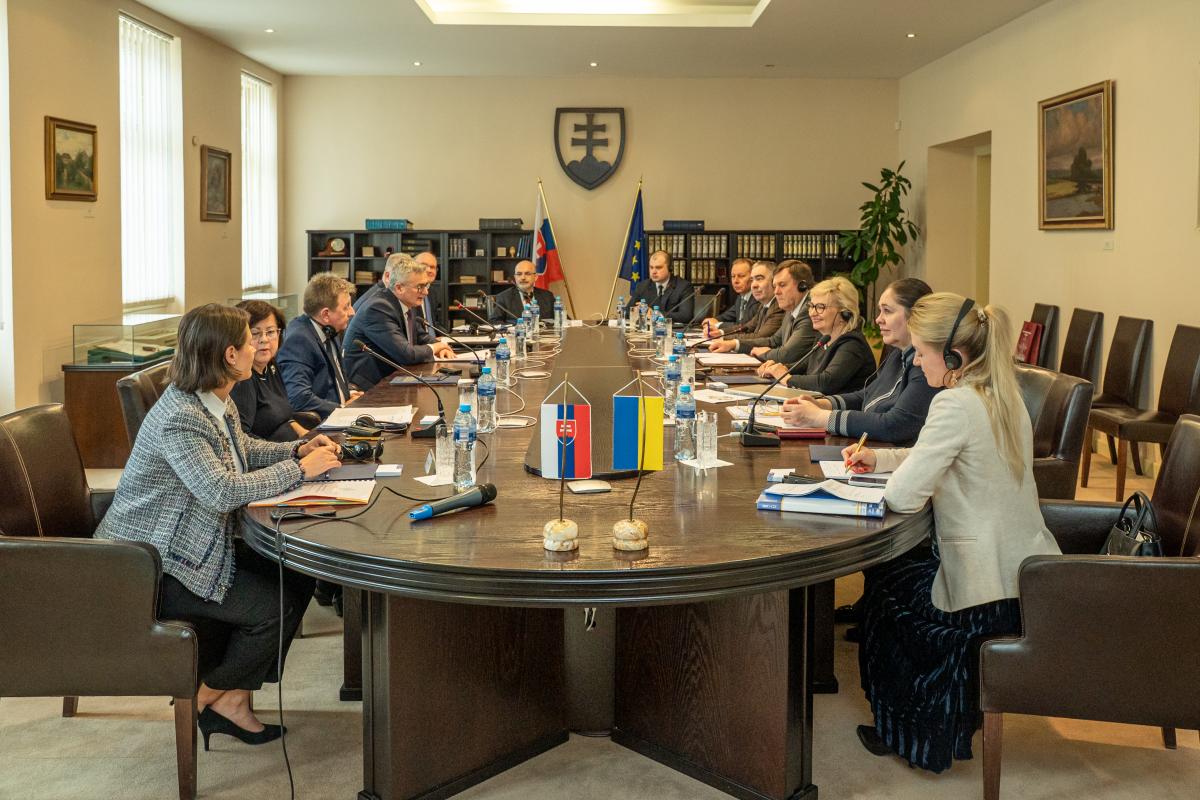
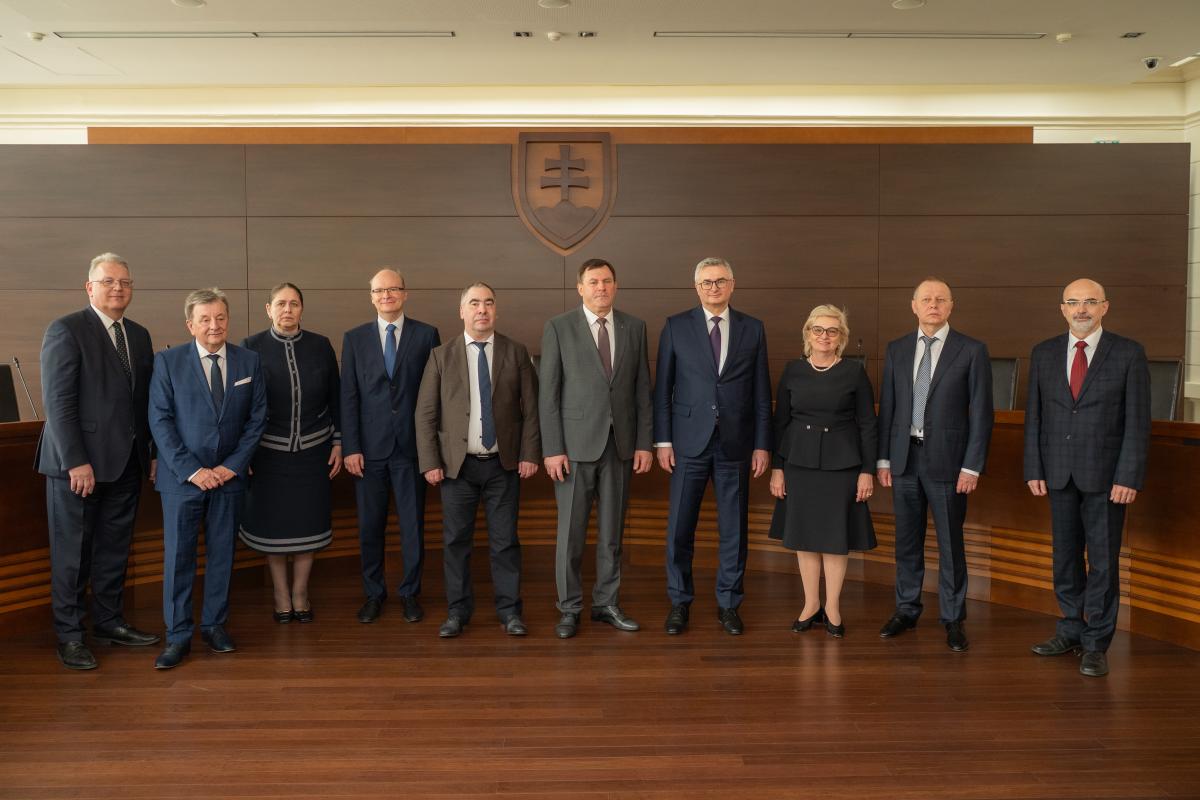
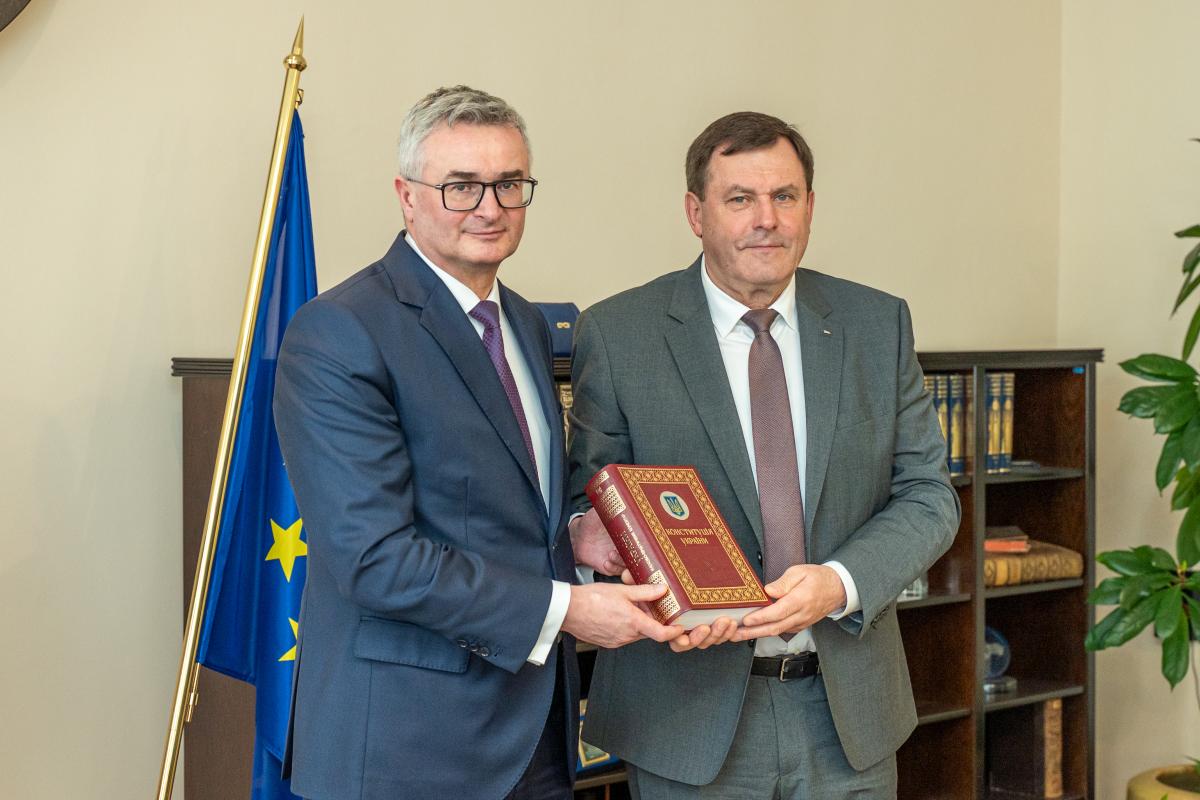
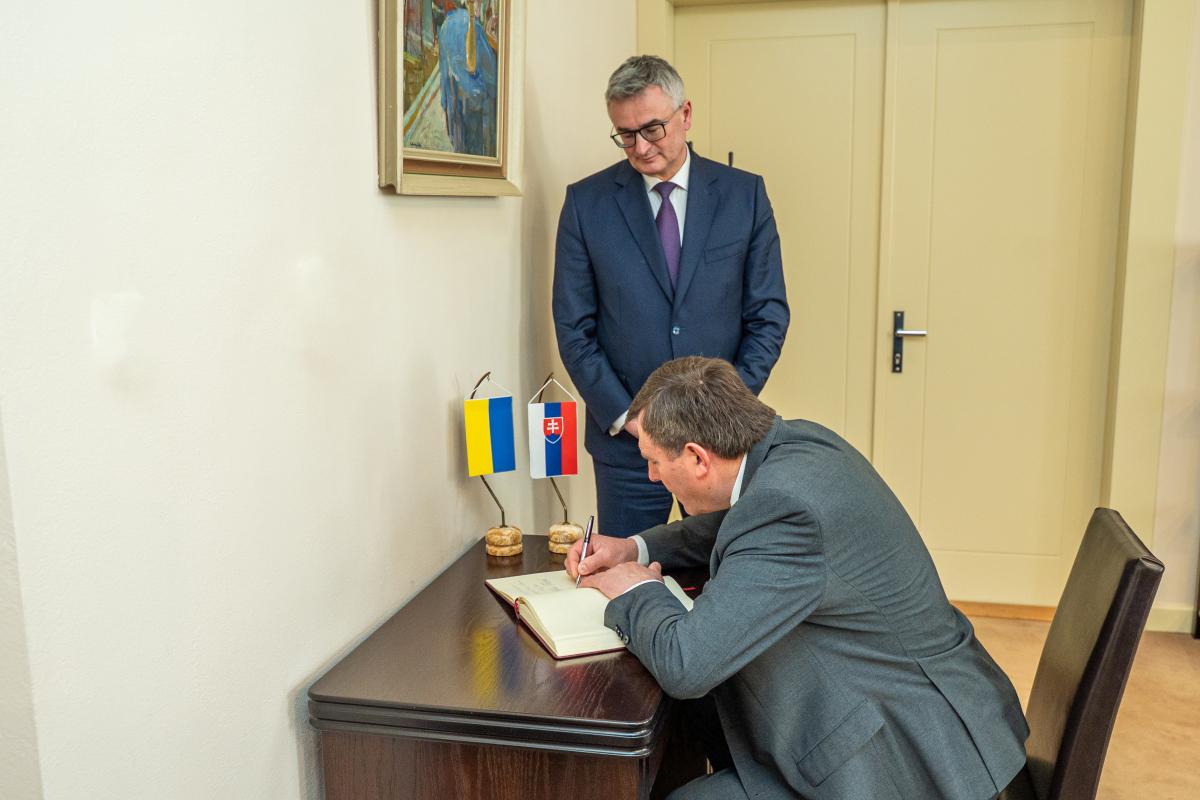
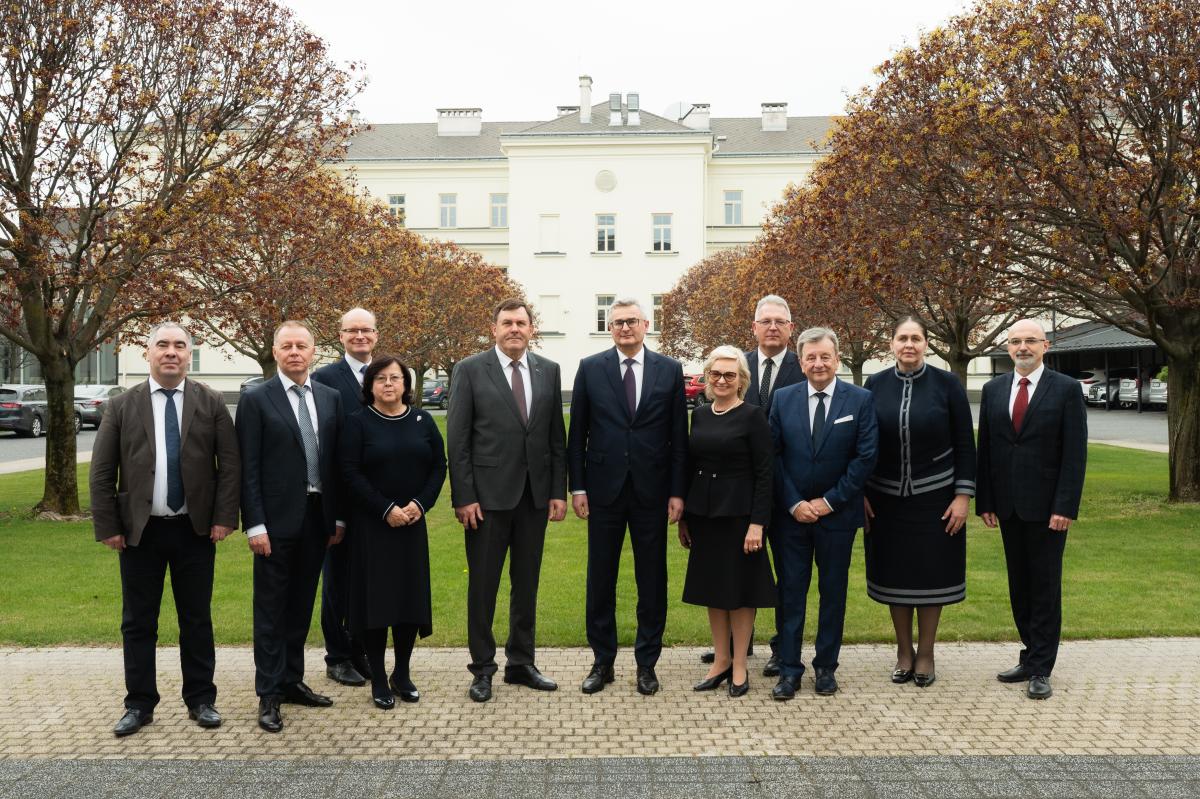
As part of efforts to strengthen international cooperation and professional exchange of experience, a delegation from the Constitutional Court of Ukraine paid a working visit to the Constitutional Court of the Slovak Republic on 15–16 April 2026. The Ukrainian delegation comprised the following judges: Petro Filiuk (head of the delegation), Viktor Kychun, Vasyl Lemak, Alla Oliinyk and Galyna Yurovska.
On the Slovak side, the Ukrainian judges were met by President of the Constitutional Court of the Slovak Republic Ivan Fiačan, Vice-President of the Court Ľuboš Szigeti, and Judges Jana Baricová, Ladislav Duditš, Rastislav Kaššák and Martin Vernaský.
The main topic of discussion was a comprehensive analysis of the role of constitutional justice in contemporary democratic processes. During the expert discussions, the parties paid particular attention to the functioning of the system of checks and balances, the specifics of assessing the constitutionality of state intervention in social rights, and the experience of strengthening the institutional capacity of the Constitutional Court of the Slovak Republic in the context of the country’s accession to the European Union.
The head of the Ukrainian delegation, Petro Filiuk, expressed his openness to constructive discussion of the complex legal challenges facing constitutional institutions today, as well as to the search for joint solutions.
“In an era of rapid change, it is the constitutional review bodies that serve as the main guarantors of stability, the protection of human rights and the rule of law,” he emphasised.
Galyna Yurovska, a judge of the Constitutional Court of Ukraine, presented a report on the role of the Constitutional Court of Ukraine within the system of checks and balances. She noted that this system constitutes an integrated set of powers held by the branches of government within the system of separation of powers, enabling them to balance and limit one another.
Drawing on the conclusions of the Venice Commission, the speaker emphasised the fundamental role of the Constitutional Court of Ukraine as the guarantor of human rights and the rule of law, which, in addition to protecting the individual rights enshrined in the Constitution of Ukraine, also ensures that state authorities exercise their powers within the limits of the Constitution of Ukraine. Galina Yurovska paid particular attention to the powers and legal positions of the Constitutional Court of Ukraine aimed at upholding the principle of the separation of powers.
“The exercise of state power on the basis of its division into legislative, executive and judicial branches, through the system of checks and balances established by the Constitution of Ukraine, ensures the stability of the constitutional order, prevents the usurpation of state power and the usurpation of the people’s exclusive right to determine and amend the constitutional order in Ukraine,” the judge emphasised, referring to a ruling by the constitutional court in Ukraine.
She also cited statistics on applications to the Constitutional Court of Ukraine that led to the initiation of constitutional proceedings, confirming the importance of constitutional review for Ukrainian society.
Judge Viktor Kychun outlined key aspects of the Constitutional Court’s practice in the area of protecting citizens’ social rights. In particular, he noted that the Constitutional Court of Ukraine regards social rights as an integral part of the rule of law, where the protection of human dignity remains a priority even in wartime. It was emphasised that despite the difficult period, the state must uphold its positive obligation to ensure constitutional guarantees for citizens.
In his speech, the judge focused on the ‘triangle of constitutional values’ which the Court applies during the period of martial law: national security, fiscal stability and human dignity. He emphasised that none of these elements can be prioritised over the others.
“Although Article 64 of the Constitution of Ukraine formally permits restrictions on certain social rights, the Court emphasises that such measures must be temporary and have clear time limits. Martial law does not provide grounds for the indefinite restriction of fundamental rights,” the judge concluded.
Judges of the Constitutional Court of Ukraine Vasyl Lemak and Alla Oliinyk joined the discussion on the outlined topics, in particular expressing their views on enhancing the capacity of the constitutional court in the context of European integration.
This meeting gave new impetus to bilateral relations, demonstrating the parties’ readiness for active cooperation and the exchange of experience regarding the implementation of European standards for the development of a sustainable system of constitutional justice.
The event was organised as part of the OSCE Support Program for Ukraine's project “Empowering Constitutional Justice: Strengthening the Constitutional Court of Ukraine’s Role in Advancing Gender Equality, Human Rights, and Rule of Law.”