25 March 2026
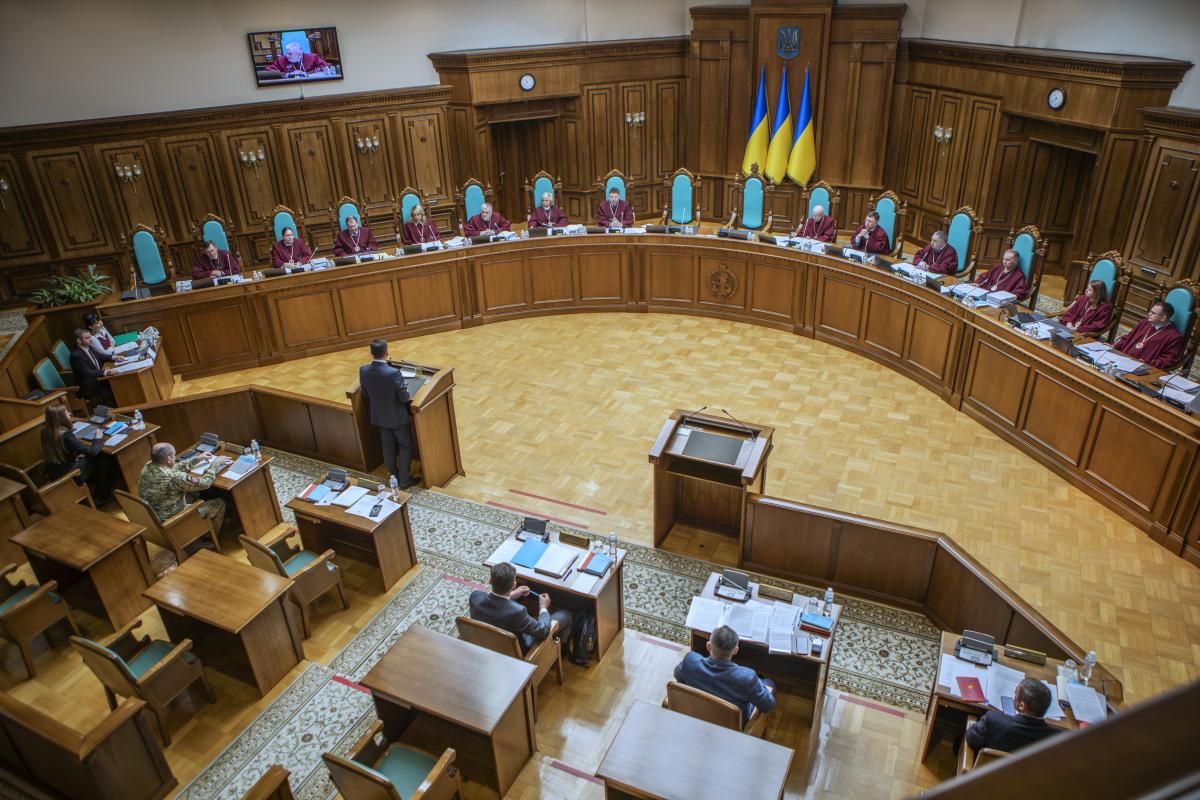
On 24 March 2026, during the public part of the plenary session, the Grand Chamber commenced deliberation of the case, in the form of oral proceedings, following a constitutional petition by the Ukrainian Parliament Commissioner for Human Rights.
During the plenary session, the judge-rapporteur in the case, Oleg Pervomaiskyi, reported that the author of the petition was requesting a review of the constitutionality of paragraph twenty-two of section 10-2 of Chapter XIII “Final and Transitional Provisions” of the Law of Ukraine “On Enforcement Proceedings” of 2 June 2016 No. 1404-VIII, as amended (hereinafter, the “Law”).
The contested provision of the Law stipulates that, during the period of martial law in Ukraine, enforcement proceedings in cases concerning the enforcement of judgments where the debtors are enterprises of the defence-industrial complex, military command bodies, formations, military units, military higher education institutions and other bodies forming part of the Armed Forces of Ukraine (except for decisions concerning the recovery of salaries, financial allowances for military personnel and the provision of housing for them). Enforcement proceedings for the recovery of utility debts from citizens whose homes are located in communities where active hostilities are taking place, or which are under temporary occupation according to the official list, or where the immovable property constituting their permanent residence has been destroyed or damaged as a result of military operations, are also suspended.
The party entitled to lodge a constitutional petition contends that this provision renders it impossible to enforce non-pecuniary court judgments where the debtors are entities within the defence sector. The applicant emphasises that the contested provision of the Law effectively introduces an absolute moratorium on the enforcement of non-pecuniary court decisions, in particular those relating to the obligation to perform certain actions: removal from military registration, discharge from military service, etc.
The author of the petition asserts that paragraph twenty-two of section 10-2 of Chapter XIII “Final and Transitional Provisions” of the Law is inconsistent with the Constitution of Ukraine, as it leads “to the undermining of both rights protected by the courts and the very right to judicial protection in terms of the State ensuring the proper enforcement of relevant court decisions during the period of martial law in Ukraine”, and also creates legal uncertainty regarding the timeframes for the enforcement of court decisions.
In order to ensure a thorough examination of the case and the adoption of a well-founded decision, requests have been sent to state authorities, academic institutions and higher education establishments asking them to state their positions on the issues raised in the constitutional petition. The judges will be informed of the content of the responses received during the in-camera part of the plenary session.
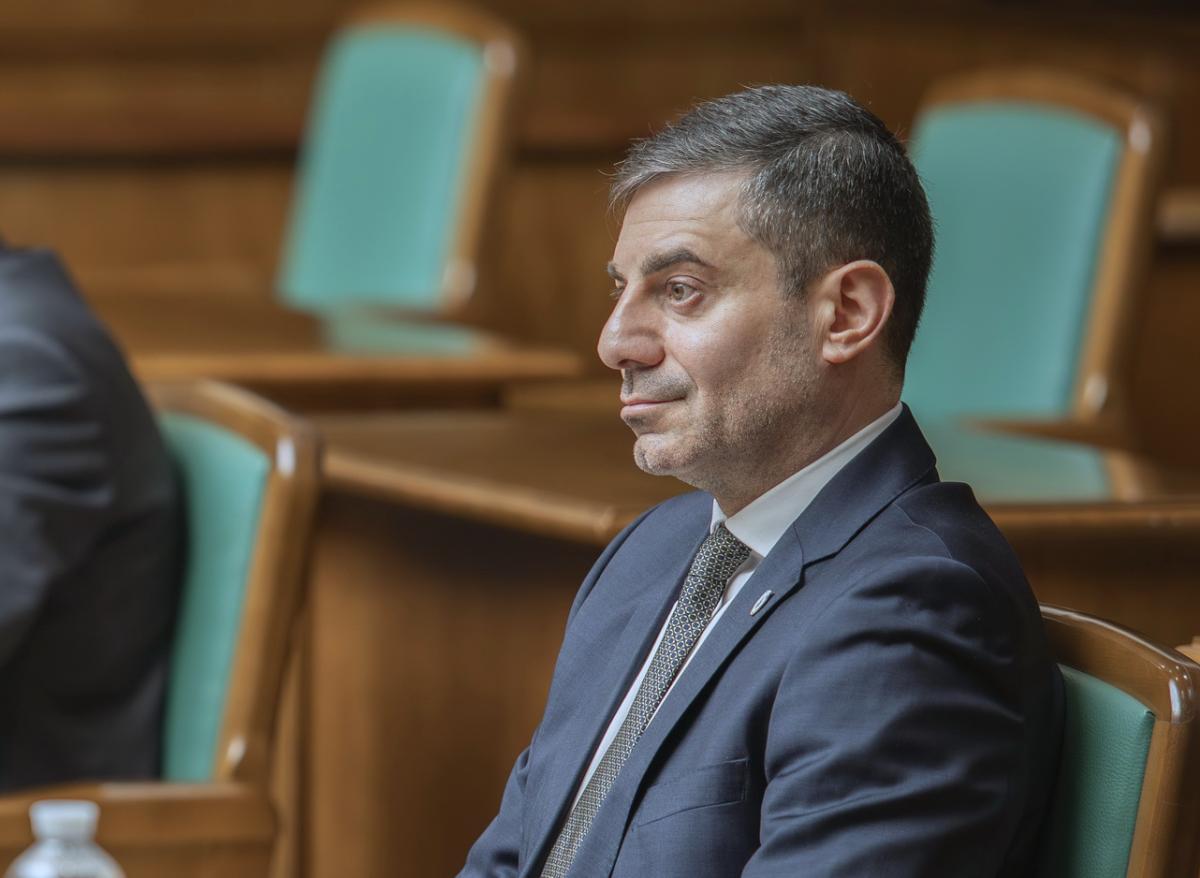
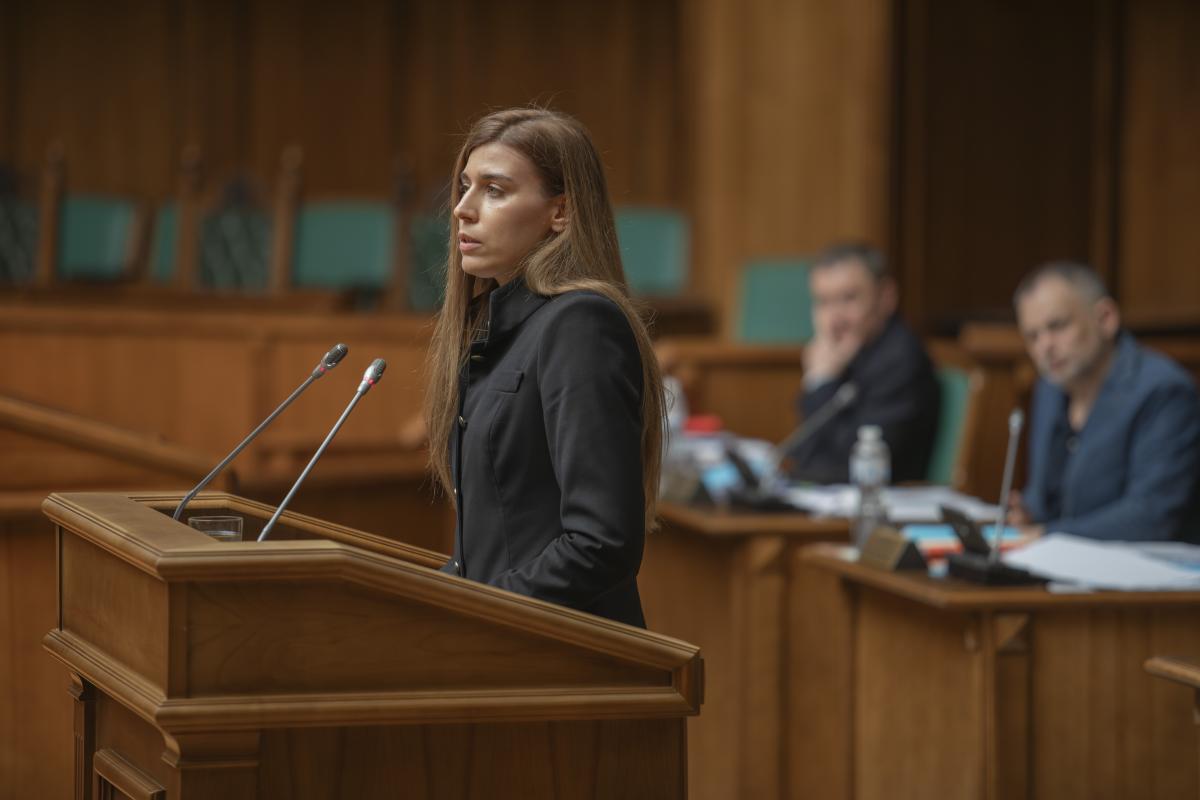
During the plenary session, the Court heard the explanations of the party entitled to make the constitutional petition – the Ukrainian Parliament Commissioner for Human Rights, Dmytro Lubinets. The parties involved in the constitutional proceedings also set out their positions: the Deputy Minister of Defence of Ukraine, Lieutenant General Ivan Havryliuk, Commissioner for the European Court of Human Rights Margarita Sokorenko, Professor at the Department of Private Law of the Leonid Yuzkov Khmelnytskyi University of Management and Law Yuriy Bilousov and Associate Professor at the Department of Justice of the Educational and Scientific Institute of Law at Taras Shevchenko National University of Kyiv Oleksandr Snidevych.
Representative of the President of Ukraine to the Constitutional Court of Ukraine Serhiy Dembovskyi took part in the session.
In view of the prolonged adjournment in the deliberation of this case, the Court announced a recess. The Court will continue the deloberation of this case in public part of session at one of the forthcoming plenary sessions.